
This guide walks through what AV installation technicians actually do, how their role shifts depending on the event type, and what to look for when bringing them on for your next project, whether that’s a meeting room AV setup, a multi-booth trade show, or a large-scale corporate production.
Know What Type of AV Technician Your Venue Actually Needs
AV installation technicians are not interchangeable. The two most common profiles you will encounter are permanent installation technicians and event-based technicians, and confusing the two is one of the most common and costly hiring mistakes in this industry.
A permanent installation technician specializes in building systems that stay in place. Their work includes structured cabling, equipment mounting, system integration with building infrastructure, and commissioning. They are comfortable working from architectural drawings, coordinating with electricians and contractors, and configuring systems that need to perform reliably for years. This is the profile you need when equipping a hotel ballroom, a university lecture hall, or a corporate headquarters conference suite.
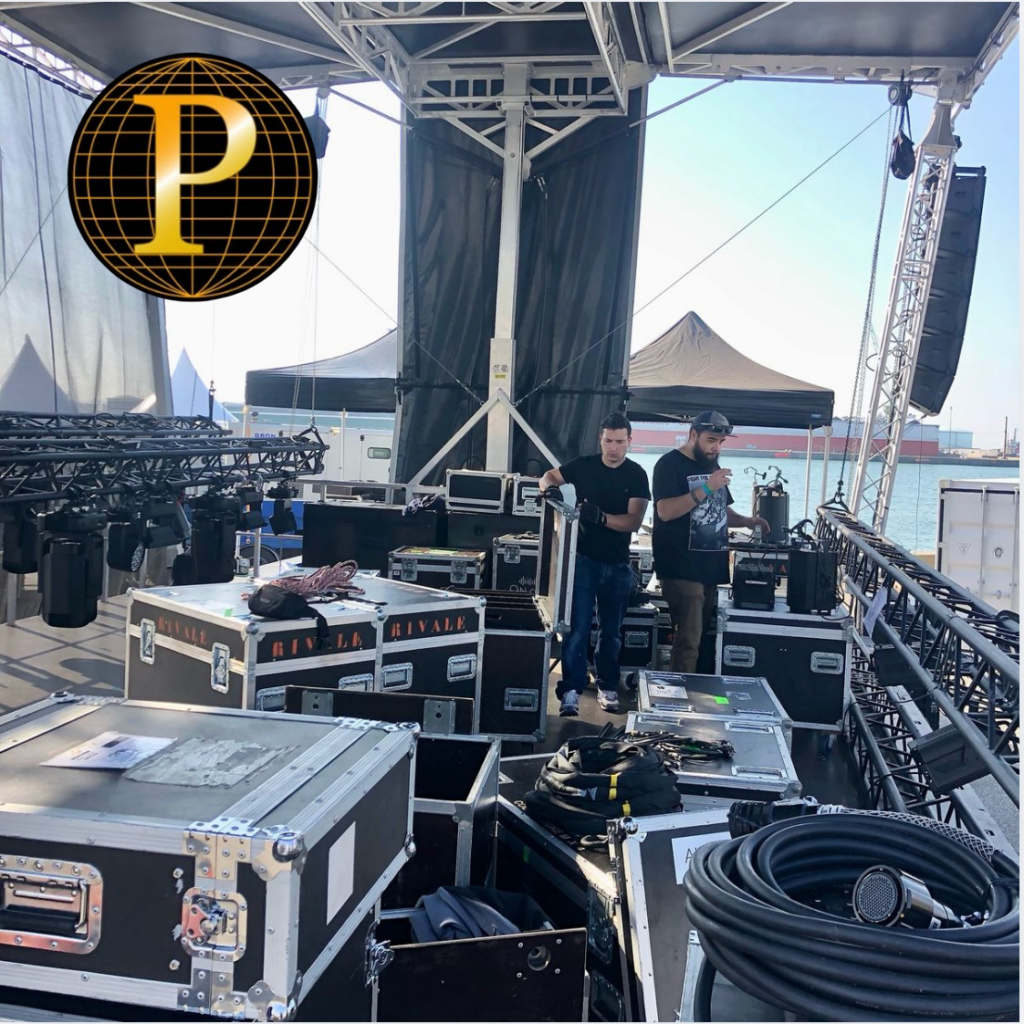
An event-based technician operates in a completely different environment. They build temporary systems fast, adapt to conditions on the ground, and strike everything cleanly when the event ends. Their value is speed, problem-solving under pressure, and familiarity with rental and touring equipment across multiple brands and formats. This is who you need for conferences, trade shows, galas, concerts, and any production that lives and dies within a specific event window.
Before posting a job or calling a staffing partner, decide which profile your project requires. If your needs cross both categories, such as a newly built venue that also hosts rotating events, be upfront about that when hiring and look for technicians who have documented experience in both environments.
Match the Technician’s Skills to Your Specific Setup
Once you know the type of technician you need, go one level deeper and verify that their skills match your specific setup. A technician who is excellent at large-format stage audio may have limited experience with the integrated conferencing systems your boardroom requires. Skill matching at this level of detail is what separates a smooth installation from a troubleshooting session that runs into your event window.
For meeting room and conference space installations, look for technicians with hands-on experience in unified communications platforms such as Microsoft Teams Rooms, Zoom Rooms, and Cisco Webex. They should also be familiar with control systems from manufacturers like Crestron, Extron, or QSC, which are standard in most professional conference environments. Microphone placement for speech intelligibility, display calibration for varying ambient light, and clean cable management are all skills worth verifying directly, not assuming.

For stage and event environments, ask about the specific consoles, lighting systems, and video equipment the technician has operated. A qualified audio technician should be able to name the digital consoles they have mixed on and the size of rooms they have covered. A video technician should have experience with the specific LED or projection systems your event requires. Do not accept vague answers here. Specificity is a reliable indicator of genuine experience.
How to Match Your Lighting Crew to the Type of Event You Are Running
Lighting is one of the most event-specific disciplines in AV production. The crew that excels at one format may have no relevant experience in another. Before hiring a lighting crew, identify which event type your production falls into and hire accordingly.
Trade Shows
Trade show lighting is about brand visibility on a competitive floor. The crew needs to work quickly across multiple booths, often simultaneously, within strict venue power limits and floor plan restrictions. Convention center experience is essential. They should know how to position and tune fixtures to make product displays stand out, coordinate with exhibit builders and flooring crews, and install without disrupting neighboring exhibitors. If a candidate has never worked a convention center floor, that gap will show on day one.
Corporate Events and General Sessions
Corporate productions require precision above all else. Stage lighting must match brand color standards exactly, flatter speakers on camera, and transition cleanly between segments. Lighting crews for this format should have experience with broadcast-quality setups and confidence executing last-minute design changes during rehearsal without slowing down the room. Ask specifically about their experience with camera-matched lighting, as this is a technical skill that not all event lighting crews possess.
Concerts and Live Performances
Live performance lighting is the most technically demanding format on this list. Crews need real-world experience with moving lights, follow spots, and professional consoles such as GrandMA or Hog. Show programming, real-time cue execution, and the ability to work with an artistic director are all requirements. Verify that the crew has worked productions of comparable scale and format before confirming the booking. This is not an environment for technicians still building their live performance experience.
Galas and Award Ceremonies
Galas require a crew that understands atmosphere as a technical discipline. Lighting needs to transition from cocktail hour through dinner service into a formal stage presentation, all within a single evening and without visible disruption to guests. Crews experienced in this format understand dimming curves, room layering, and how to coordinate with venue staff, catering teams, and other production vendors in a live-service environment.
Product Launches
Product launches are cinematic by nature and are frequently filmed or live-streamed. The lighting crew must understand focal point design, dramatic reveal sequencing, and how fixture choices affect camera exposure. Hiring a crew without experiential or broadcast event experience for this format is a risk that tends to be visible on screen and in the final production record
What to Verify Before You Sign Any Staffing Agreement
Regardless of event type, there is a core set of credentials and qualities to verify before committing to any AV installation technician or crew. Do not skip this step in the interest of speed. A hiring decision made in two minutes can create a problem that takes two hours to fix during load-in.
Pre-Hire Verification Checklist
- Specific experience: Ask for event types, venue names, and equipment they have worked with. Vague answers are a red flag.
- CTS Certification: The Certified Technology Specialist credential from AVIXA is the industry standard for formal AV training and technical knowledge.
- Union familiarity: Many convention centers and large venues operate under IATSE or local union jurisdictions. Confirm the technician understands applicable labor rules before booking.
- Equipment compatibility: Verify they have worked with the specific brands and systems your event or venue requires, not just similar categories of equipment.
- Load-in reliability: Contact references and ask specifically about punctuality and performance under tight production timelines.
- Communication on site: A technician who communicates clearly with planners, venue staff, and other crew members prevents the majority of day-of problems before they start.
- Problem-solving examples: Ask for a specific situation where something went wrong on site and how they handled it. This question separates experienced technicians from those who have only worked smooth productions.
Set Clear Expectations Before the Job Begins
Even the most qualified AV installation technician will underperform if they arrive without adequate information. Setting clear expectations before the job begins is not a formality — it is a practical step that directly affects what happens during load-in.
Start by sharing a production brief as early as possible. This should include the event date and venue address, a floor plan or room layout, the full equipment list or technical rider, load-in and strike times, and the name and contact of the on-site coordinator they will report to. If the venue has specific rules around freight access, parking, or union labor, include those as well. Technicians who arrive informed make better decisions and work faster.
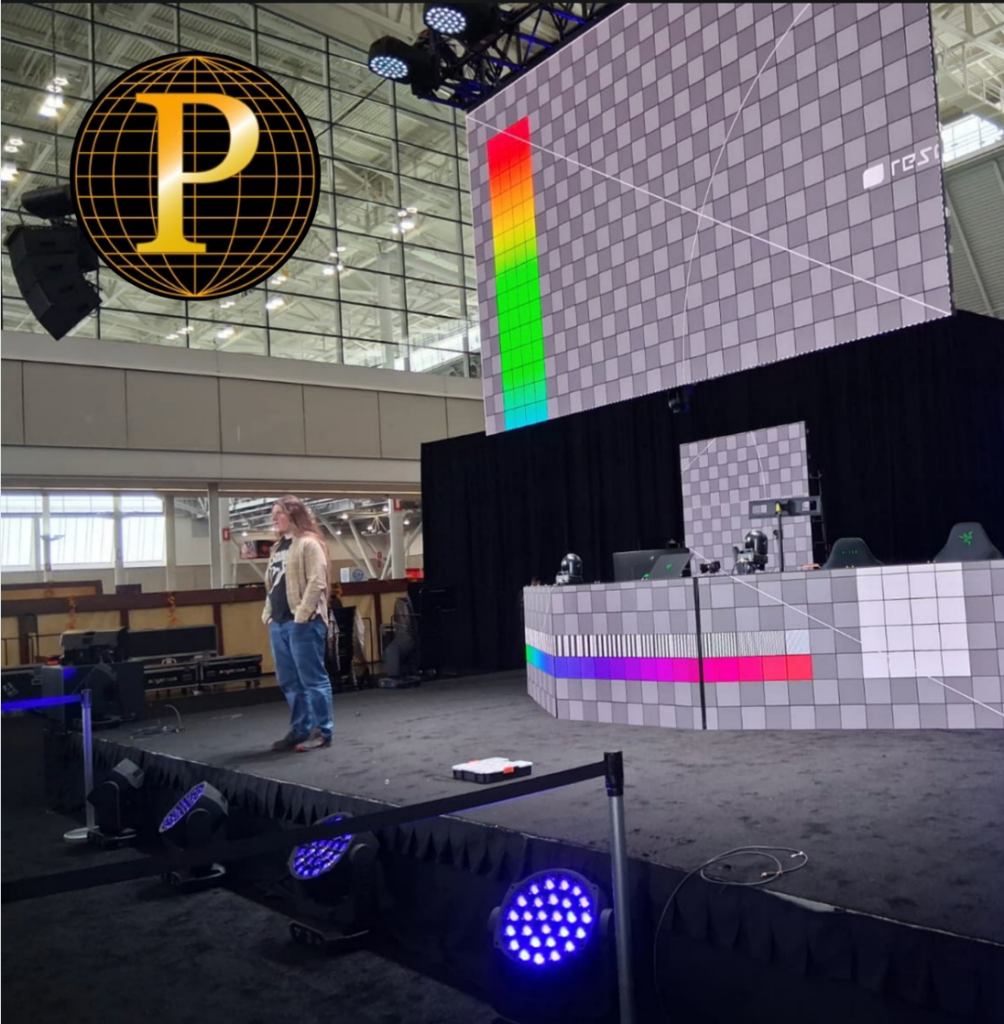
If your event involves multiple rooms or a complex stage setup, walk through the production schedule with the crew chief or lead technician before the day. Identify the highest-risk moments in the timeline, whether that is a tight changeover between breakout sessions or a video system that has not been tested in the specific venue before, and make sure the crew knows where to focus first.
Update your crew immediately if anything changes. A revised stage plot, a speaker added to the program, or a venue restriction that surfaces late in planning all affect how the crew allocates their time. The sooner that information reaches them, the better their response will be.
Decide Whether to Hire Direct or Work Through a Staffing Partner
For venues with consistent, high-volume AV needs, building a small in-house technical team over time can make financial sense. But for most event planners and venue managers, the volume and variability of productions makes direct hiring impractical. A corporate conference may require eight technicians for two days. The following week, you may need none.
Working through a specialist AV staffing partner gives you access to a vetted bench of technicians on demand, scaled to each project and sourced locally where possible. A good staffing partner has already done the credential verification, skills assessment, and reference checks. They can also backfill a position quickly if a technician falls through, which is a real risk when hiring directly for time-sensitive productions.
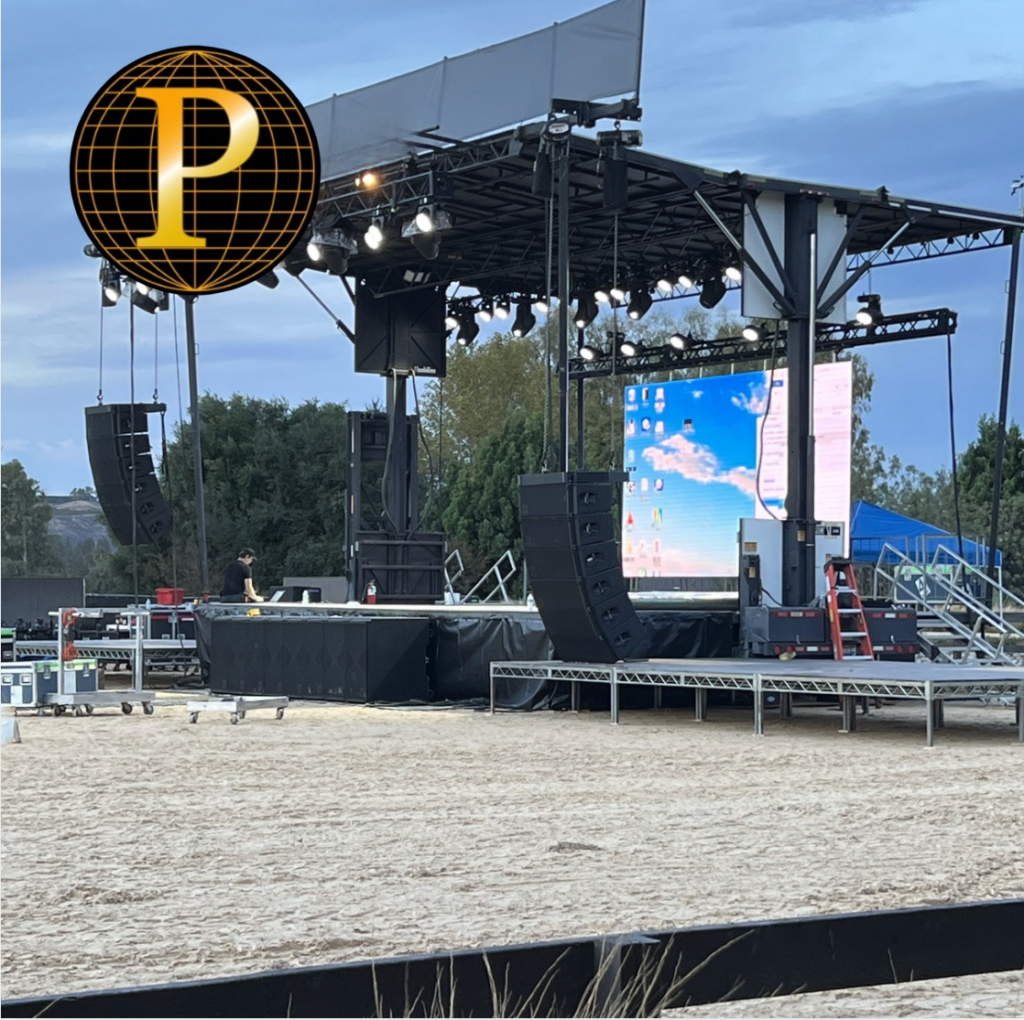
The distinction that matters is specialization. A staffing partner who focuses specifically on AV and event production labor understands the difference between an A1 and a stagehand, knows what CTS certification means, and can match technicians to your event type accurately. A general temp agency with a few AV workers on file does not offer the same level of matching or accountability.
When evaluating any staffing partner, ask how they screen their technicians, how they handle last-minute replacements, and whether they have placed crews in your specific market before. The answers will tell you quickly whether you are dealing with a specialist or a generalist.
Hiring AV installation technicians well is a process, not a transaction. The venues and event planners who get consistent results are the ones who take the time to identify the right profile, verify the right credentials, set the right expectations, and choose the right hiring channel for their production volume. Every step in this guide exists to help you do exactly that.
Comments are closed